
How Chronic Back Pain Effects Women and How to Solve It
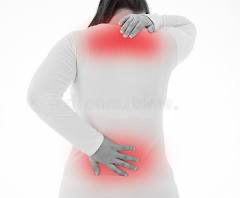
Back pain affects millions of women worldwide and, while at first it may seem minor, chronic back pain can have huge repercussions for your daily life and overall well-being. Women, in particular, can be more vulnerable than others to particular forms of back pain due to biological, lifestyle, or occupational factors. Knowing which ones might lead to discomfort is the first step toward managing or eliminating it altogether. In this blog, we will look at some of the culprits behind female back discomfort as well as solutions.
Poor Posture and Prolonged Sitting
Our lifestyles often involve extended sitting, whether at a desk, car or couch. Slouching over devices like laptops and smartphones worsens this problem further by placing unnecessary strain on the spine and lower back. Over time, repeated stress weakens the muscles that support our backs leading to persistent backaches. Ergonomic furniture, regular posture adjustments and standing breaks can go a long way towards alleviating this issue.
Wearing High Heels or Unsupportive Footwear
Staying fashionable can sometimes be harmful to our spines. High heels may look good but can throw off your posture by altering its natural alignment and adding strain and discomfort to the lower back muscles. Wearing unsupportive flat shoes without proper cushioning also puts strain on the lower back muscles. Choosing well-designed, comfortable footwear could make all the difference in results.
Breast Size
For many women, large breasts can be an aggravating source of back pain. Their extra weight puts strain on the neck, shoulder, and upper back muscles, leading to poor posture and chronic discomfort that worsens overtime. Poor-fitting bras only compound this issue further. Medical or surgical solutions like breast reduction can give relief by alleviating the physical burden while also increasing your overall quality of life.
Hormonal Fluctuations
Women experience a lot of hormonal fluctuations throughout their lives, from puberty to menopause. Estrogen and relaxin levels fluctuating during menstrual cycles, pregnancy and menopause can wreak havoc on the muscles, ligaments and joints. This increases back pain risk from just doing regular daily activities such as sitting. Gentle stretching, staying active and leading a healthier lifestyle can help mitigate some of these effects of hormonal fluctuation.
Emotional Stress and Tension
Stressful emotions don’t only manifest mentally, they also manifest physically. Women experiencing high levels of emotional strain tend to experience tension in their back and neck muscles that leads to discomfort or spasms over time. Yoga, mindfulness practices, and deep breathing exercises may help ease some of this physical burden.
Preventing and Managing Back Pain
Proactive management is important for avoiding back pain. Exercise, maintaining a healthy weight, and practicing good posture can all reduce the risk. Yoga, pilates and strengthening exercises for core muscles are great in supporting the back. For those that are already experiencing discomfort, getting professional advice from doctors, physiotherapists or chiropractors will help them to identify its source and create personalized solutions for managing it.
Conclusion
Back pain in women is often due to lifestyle habits, biological factors or underlying medical conditions that impact their quality of life. When you understand the triggers and make proactive changes, it may be possible to alleviate the discomfort and improve your overall quality of life. While living with back pain can be challenging at times, small adjustments, medical help, and care for your health can bring relief that lasts well into your everyday life.